9 Perfume Layering Mistakes That Make You Smell Muddy
Wondering why your perfume combination smells bad? Avoid these 9 perfume layering mistakes and learn how to create cleaner, better-balanced scents.
In this guide
- 1. Spraying the light perfume first
- 2. Layering two heavy perfumes on the same spot
- 3. Using too many sprays
- 4. Stacking three sweet scents
- 5. Pairing clashing fragrance families
- 6. Rubbing your wrists together
- 7. Judging the blend in the first minute
- 8. Layering on dry skin
- 9. Adding a third perfume before the pair works
- Pairs that clash, and what to use instead
- Test before you layer
- Questions about perfume layering mistakes
Ever layered two perfumes and ended up smelling something you can’t quite describe? That muddy effect usually means the notes have blurred together into one heavy, unclear smell instead of creating a balanced combination.
The good news is that most perfume layering mistakes are easy to fix. The problem is often the order, the amount you spray or the way two fragrance families interact. Here are nine things to watch out for. New to layering? Start with our 7-day beginner plan.
1. Spraying the light perfume first
When you apply a lighter fragrance first and follow it with a heavier one, the stronger scent can dominate the combination. Your fresh citrus or delicate floral notes may become difficult to notice.
The fix: Apply the heavier perfume first, then the lighter one on top. Start with two sprays of the heavier fragrance and one of the lighter fragrance.
2. Layering two heavy perfumes on the same spot
Combining two powerful notes such as oud, tobacco, leather or amber in the same area can create an intense, crowded scent. Instead of noticing their individual character, you may get one dense fragrance that feels difficult to wear.
The fix: If both perfumes are heavy, apply them to different spots. For example, use one spray of oud on your chest and sandalwood on your wrists. This gives each fragrance some room.
3. Using too many sprays
More perfume doesn’t necessarily make a better combination. When you use several sprays of two fragrances, their strongest notes can overwhelm the blend and make it difficult to distinguish anything.
The fix: Begin with the 2 + 1 rule: two sprays of the heavier perfume and one spray of the lighter perfume. You can always adjust the amount once you understand how the combination develops.
4. Stacking three sweet scents
Layering vanilla, caramel and coconut might sound appealing, but three sweet fragrances can quickly become overwhelming. Their creamy, sugary qualities may merge into a dense scent with very little contrast.
The fix: Choose one sweet fragrance as your main note and introduce something different. Bergamot can add brightness, while cedarwood or vetiver can bring a drier character. A little contrast often makes a combination easier to wear.
5. Pairing clashing fragrance families
Some fragrance families can be tricky to combine because their contrasting characters compete rather than complement each other. For example, salty aquatic notes with deep oud or leather can produce an unexpected result, while sharp citrus paired with certain heavy smoky notes may feel disconnected.
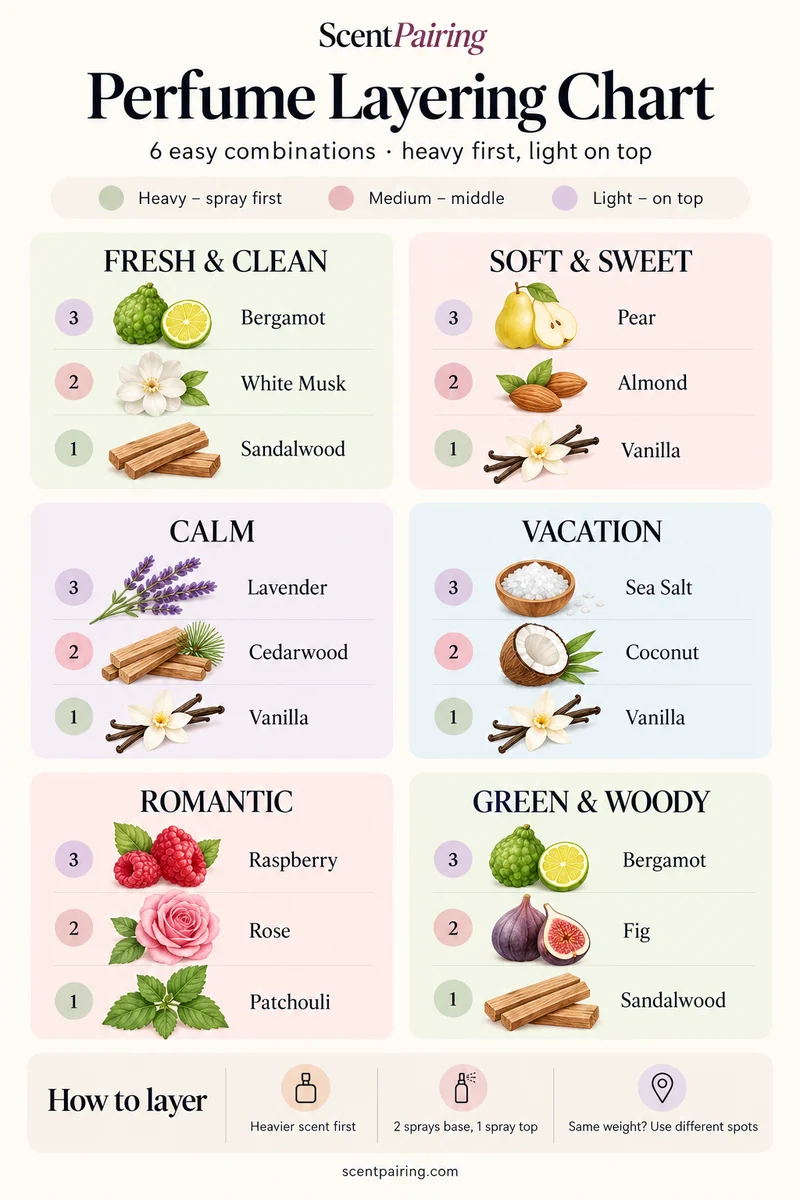
The fix: Start with combinations that have a clearer connection, such as woody and floral, citrus and gourmand, or amber and floral. Our perfume layering chart can help you explore compatible fragrance families before experimenting.
6. Rubbing your wrists together
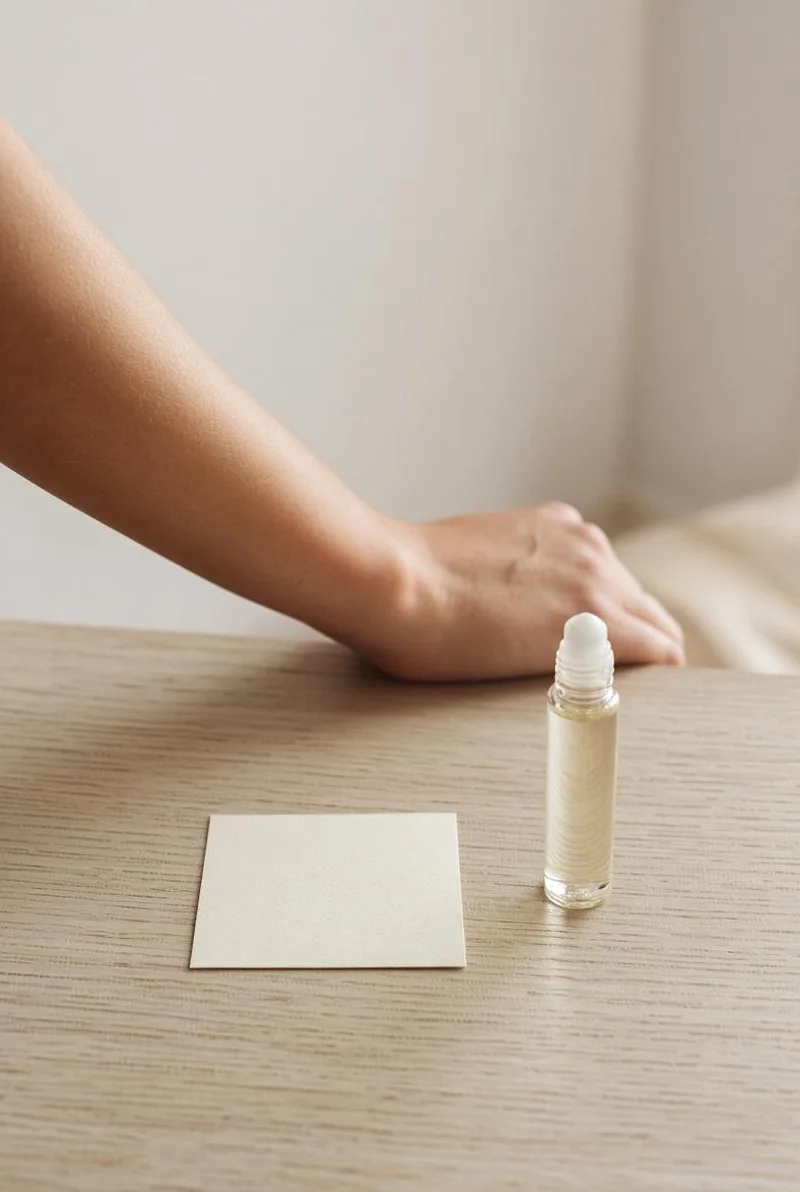
Rubbing your wrists after applying perfume creates unnecessary friction and can change how the fragrance develops on your skin. It also makes it harder to assess how each layer smells on its own.
The fix: Spray each fragrance and let it settle naturally. If you’re applying two perfumes to different spots, leave them separate rather than rubbing them together.
7. Judging the blend in the first minute
A combination can smell sharp, overly sweet or disconnected immediately after application. That first impression doesn’t always reflect how the fragrances will smell once they have settled.
The fix: Give the combination around 20 minutes before deciding whether it works. Check it again later if you’re still unsure, since different notes become more noticeable as a fragrance develops.
8. Layering on dry skin
Dry skin can make perfume seem to fade faster, leaving you with an uneven impression of the combination. One fragrance may seem to disappear while the other remains noticeable.
The fix: Apply an unscented moisturizer before spraying. A moisturized base can help fragrance remain noticeable for longer and gives you a more consistent starting point.
9. Adding a third perfume before the pair works
When two fragrances don’t smell right together, adding another one might seem like an easy solution. In practice, it usually makes the combination harder to understand and even more difficult to balance.
The fix: Go back to the original two perfumes. Adjust their order, reduce the sprays or try applying them to different spots. Only introduce a third fragrance once the original pair already smells good.
Pairs that clash, and what to use instead
Not every combination will work for every nose. The following three pairs are marked as Tricky in our layering finder because their contrasting notes can be difficult to balance. If you’ve tried one and didn’t like the result, these alternatives offer a clearer direction.
Sea salt + Oud — Tricky
The crisp, airy character of sea salt can feel disconnected from oud’s deep, smoky richness. If the result seems too heavy or disjointed, try a floral contrast instead.
Oud + Rose
A dark wooden room with a fresh red rose on the table. Rose adds a floral counterpoint to oud’s smoky depth, creating a more defined combination for evening wear.
Layering order: Oud first (1 spray), rose on top (2 sprays).
Check this pair in the finderBergamot + Leather — Tricky
Bright citrus and dark leather can compete, particularly when both fragrances have strong personalities. For a more grounded combination, introduce another woody note.
Leather + Cedarwood
A well-worn leather jacket beside a freshly cut cedarwood block. Cedarwood gives leather a dry woody partner, helping the combination feel more connected and less sharp.
Layering order: Leather first (1 spray), cedarwood on top (2 sprays).
Check this pair in the finderSea salt + Amber — Tricky
Sea salt’s airy freshness and amber’s warm richness can pull in different directions. If the contrast feels too pronounced, a softer gourmand note can help bridge the two.
Vanilla + Sea salt
Salted vanilla cream with a cool ocean breeze in the background. Vanilla provides a warm, creamy foundation while sea salt adds freshness, keeping the sweetness from feeling too dense.
Layering order: Vanilla first (2 sprays), sea salt on top (1 spray).
Check this pair in the finder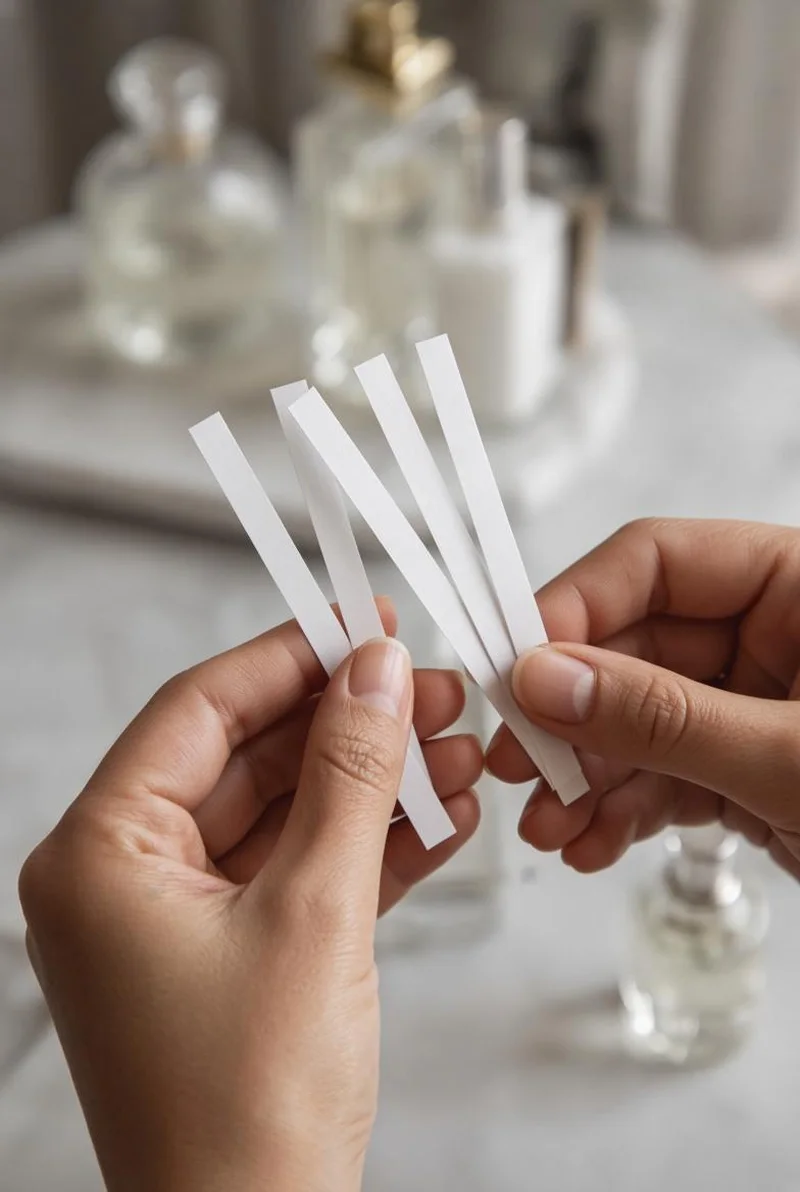
Test before you layer
You don’t have to commit to a combination on your skin to find out whether it works. Testing first can save you from wearing a pairing you don’t enjoy for the rest of the day.
For the full method, read how to layer perfume, and for versatile partners, the best perfume bases for layering.
Questions about perfume layering mistakes
Why does my perfume combination smell bad?
Usually, the two fragrances are competing rather than complementing each other. Too many sprays, conflicting fragrance families or applying a heavy perfume over a lighter one can all contribute to a muddy result. Try reducing the amount and changing the order before giving up on the pair.
Can you layer two strong perfumes?
Yes, but use caution. Apply them to separate areas rather than directly on top of each other, and start with just one spray of each. If the result is still overwhelming, replace one fragrance with something lighter.
How long should I wait between perfume layers?
You don’t need a long waiting period between applications. Let the first fragrance settle briefly before applying the second, then give the finished combination around 20 minutes before judging the result.