Scent
EDP vs EDT: Perfume Concentrations Explained (Parfum to Body Mist)
EDP vs EDT explained, from parfum to body mist: how much fragrance oil each has, how they wear, which to choose, and how to layer different strengths.
In this guide
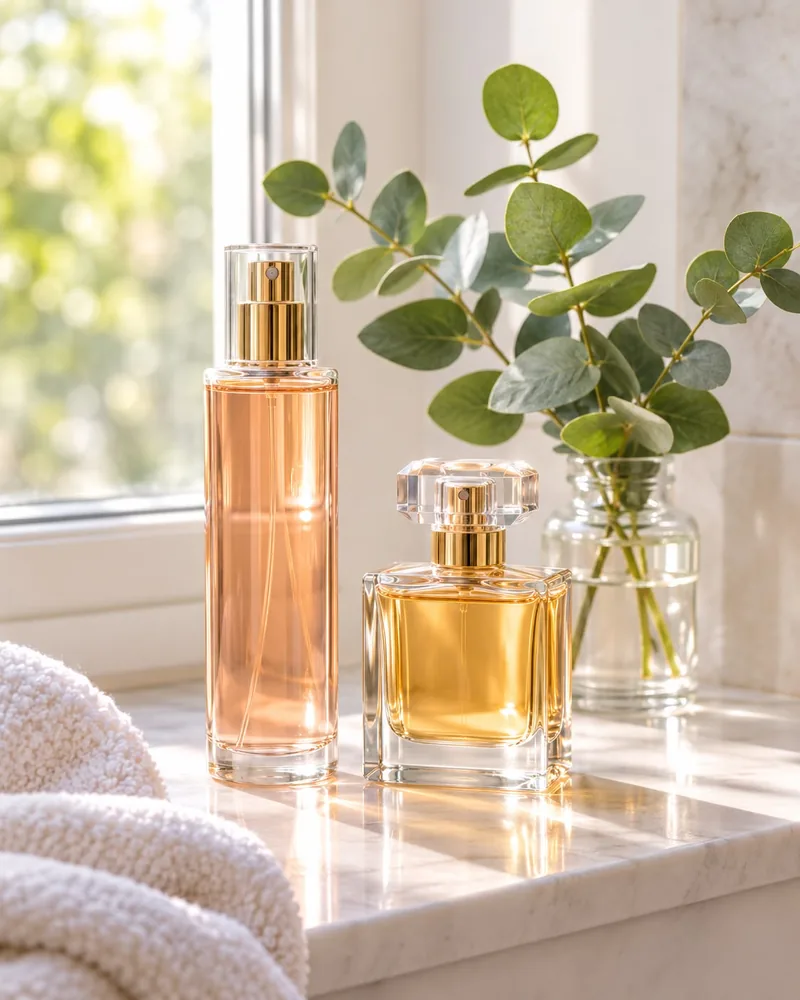
EDP (eau de parfum) has more fragrance oil than EDT (eau de toilette), so it usually smells richer and lasts longer. EDT is lighter and fresher, which makes it a popular pick for daytime, warm weather and anyone who doesn’t like a strong scent.
There’s more to it than those two, though. From parfum down to body mist, each concentration has a different amount of fragrance oil, and knowing the difference helps you choose what to wear and how to layer what you already own.
Perfume concentrations at a glance
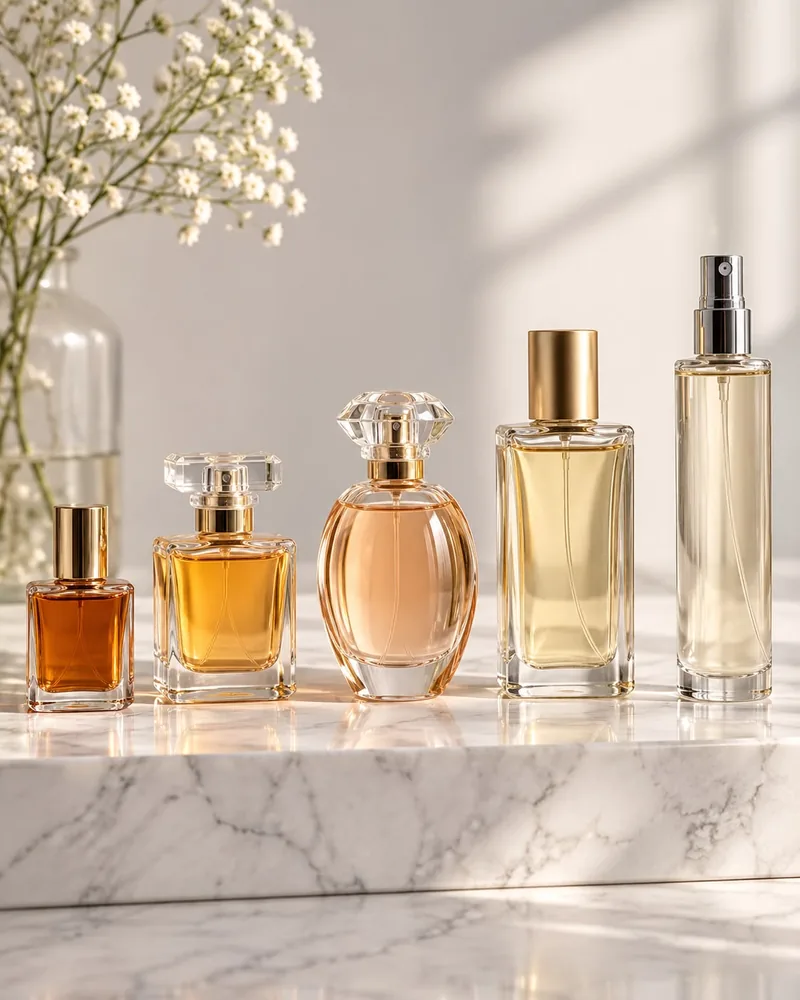
The main difference is how much fragrance oil is mixed into the alcohol and other ingredients.
| Name | Typical fragrance oil | How it wears |
|---|---|---|
| Parfum / Extrait | About 20-30% | Rich and concentrated, often close to the skin |
| Eau de Parfum (EDP) | About 15-20% | Fuller, more noticeable |
| Eau de Toilette (EDT) | About 5-15% | Lighter, fresher, more airy |
| Eau de Cologne (EDC) | About 2-5% | Very light, fades quickly |
| Body mist | About 1-3% | Soft and casual, easy to reapply |
These ranges are approximate. There’s no single legal standard that brands have to follow, formulas vary, and some perfumes fall outside these numbers.
EDP vs EDT: what’s the real difference?
Concentration is the big one, but you’ll notice it in three ways.
Strength. EDP usually feels fuller and more present, especially right after you spray. EDT feels lighter and less dense, good if you want to smell fresh without leaving a trail.
How long it lasts. EDP usually lasts longer, but concentration isn’t the only factor. The ingredients, your skin, the temperature and where you spray all matter, and some EDTs outlast some EDPs. The label is a guide, not a promise. More on that in how to make perfume last longer.
How it smells. An EDP and an EDT with the same name don’t always smell the same. Brands sometimes adjust the formula, not just the strength: the EDP might lean warmer and creamier, the EDT brighter and more citrusy. Same idea, different balance.
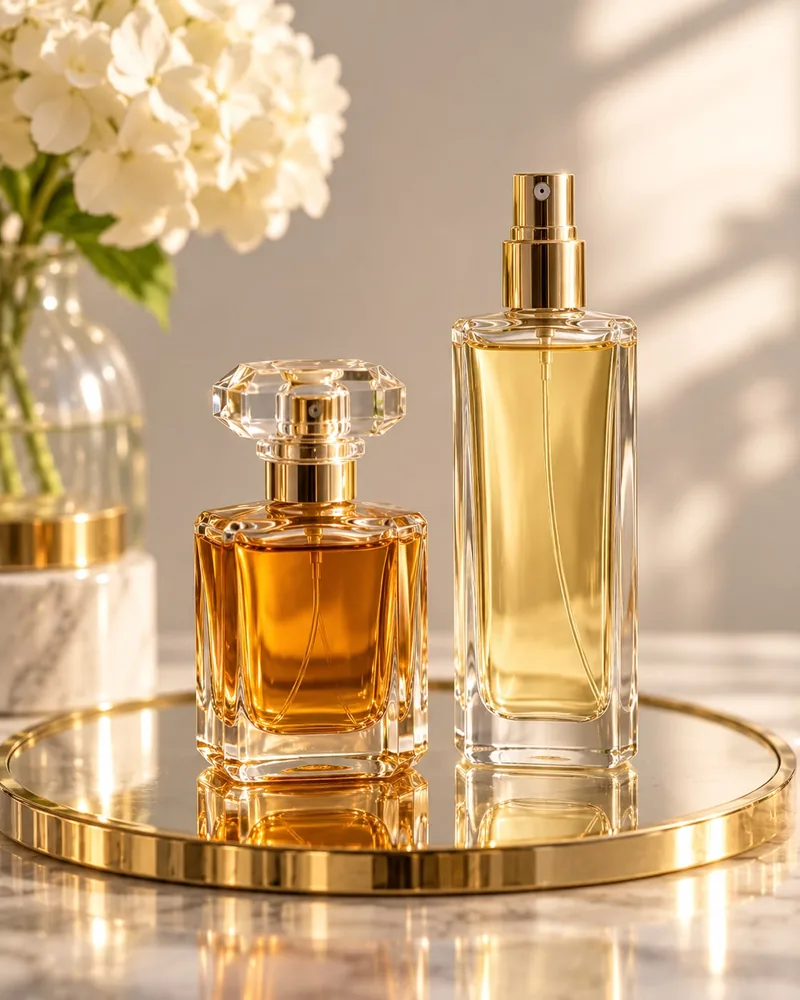
Which one should you choose?
It depends on the weather, the occasion and how noticeable you want to be.
- EDT for daytime and warm weather. The office, errands, hot summer days. Fresh notes like bergamot, lemon and light florals work especially well this way, and it’s easier on people around you in small spaces.
- EDP for evenings and cold weather. Dinners, nights out, winter. Warm notes like vanilla, amber and sandalwood feel fuller as an EDP, and it stays with you longer through the day.
- Parfum for a close skin scent. Rich and smooth without many sprays. Start small, especially with strong notes like amber or woods.
You don’t have to pick just one. Mixing concentrations is a form of layering, and our guide to perfume layering for beginners is a good place to start.
How concentration changes layering
You can layer an EDP with an EDT, or a parfum with a body mist. The trick is that concentration and note weight do two different jobs:
- Note weight decides the order. Heavy notes like amber, vanilla and sandalwood go first. Light notes like bergamot, pear and orange blossom go on top.
- Concentration decides how much. Use fewer sprays of the stronger one. A parfum may need one spray or a dab; an EDT or body mist can take a little more.
Three combinations to try:
Sandalwood EDP + Bergamot EDT
A freshly pressed white shirt on a cool morning: smooth, dry wood with a bright citrus start. A woody scent that’s light enough for daytime.
Layering order: Sandalwood EDP first (1-2 sprays), bergamot EDT on top (1-2 sprays).
Check this pair in the finderVanilla EDP + Pear body mist
Ripe pears next to a warm vanilla pastry. Creamy underneath, juicy and crisp on top: sweet, but fruity rather than sugary. More ideas in our body mist and perfume pairings.
Layering order: Vanilla EDP first (1-2 sprays), pear body mist on top.
Check this pair in the finderAmber parfum + Orange blossom EDT
Warm amber in a softly lit room, orange blossom coming through an open window. The flowers keep the amber from feeling heavy. Good for an evening out.
Layering order: Amber parfum first (1 spray or a dab), orange blossom EDT on top (2 sprays).
Check this pair in the finder
For more on order and placement, see how to layer perfume and the best perfume bases for layering. How you store the bottle matters too: see does perfume expire? For everyday habits, read how to smell good all day.
Questions about perfume concentrations
Is EDP stronger than EDT?
Usually, yes. EDP has more fragrance oil, so it tends to smell richer and more present. How strong it really is still depends on the formula.
Can I layer an EDP with an EDT?
Yes. Put the heavier note first and the lighter one on top, and use fewer sprays of whichever is stronger so the result doesn’t get too loud.
Which lasts longer, EDP or body mist?
EDP, usually by a lot. Body mist has much less fragrance oil, so it fades faster and works best as a quick refresh during the day.